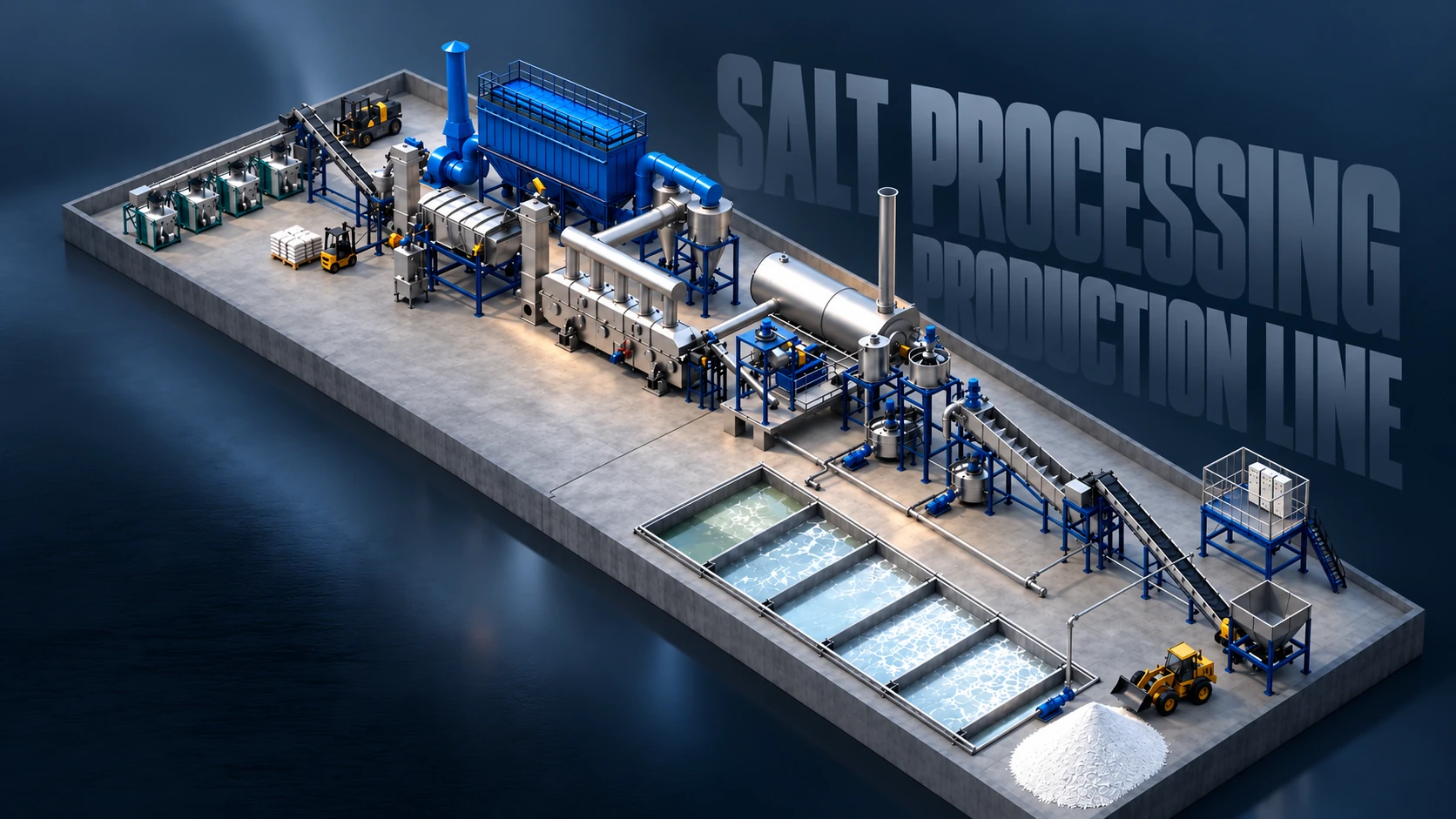
01Raw Salt Feeding & Primary Washing
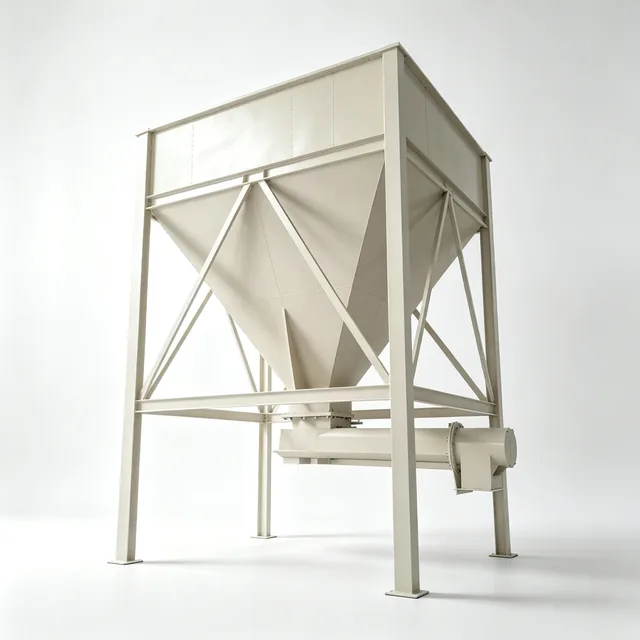
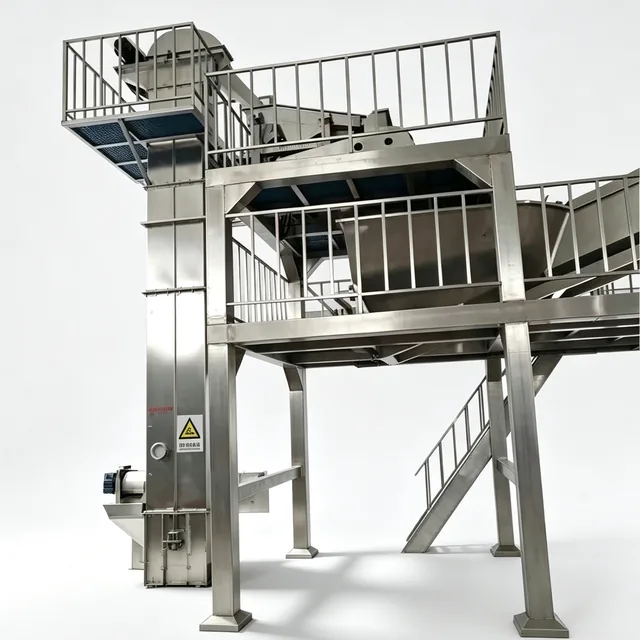
Raw salt is transported to the raw salt silo by manual or mechanical means. A metering screw conveyor controls the feeding rate, while a belt conveyor equipped with a permanent magnetic separator removes metallic impurities.
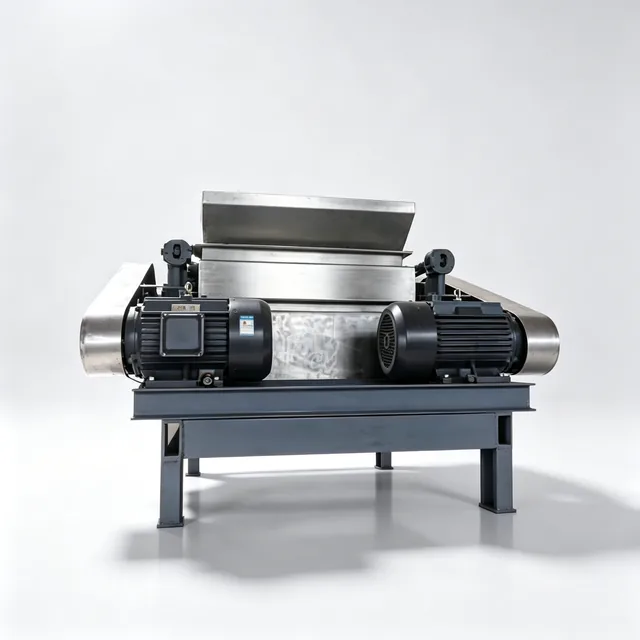
The salt then enters a screw salt washer, where saturated brine removes surface impurities. A roller crusher subsequently reduces the salt to the required particle size.
02Washing & Purification
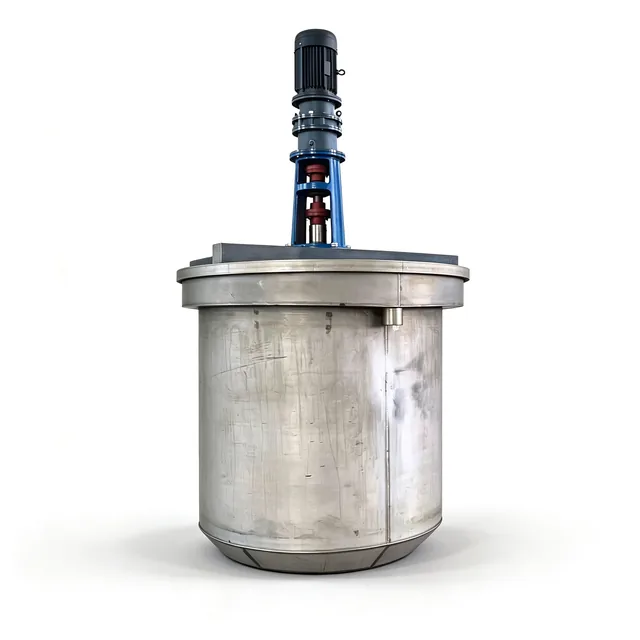
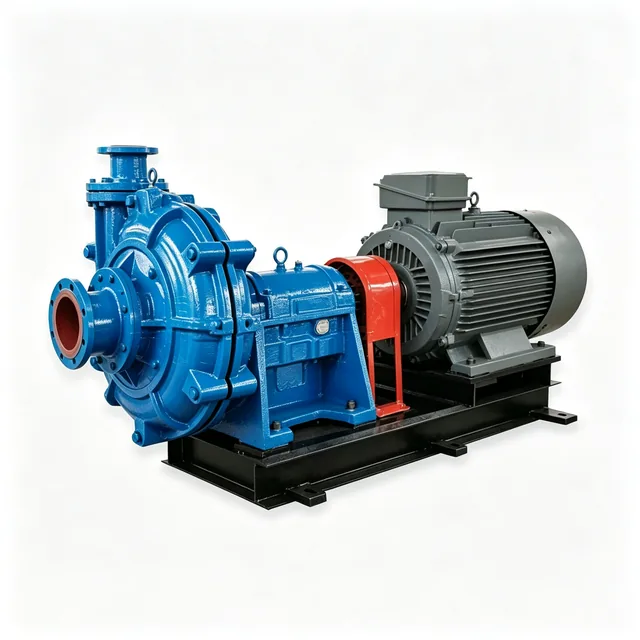
The crushed salt enters an agitation tank for secondary washing. The salt slurry is pumped to a countercurrent washer, where clean brine flows in the opposite direction to remove remaining impurities.
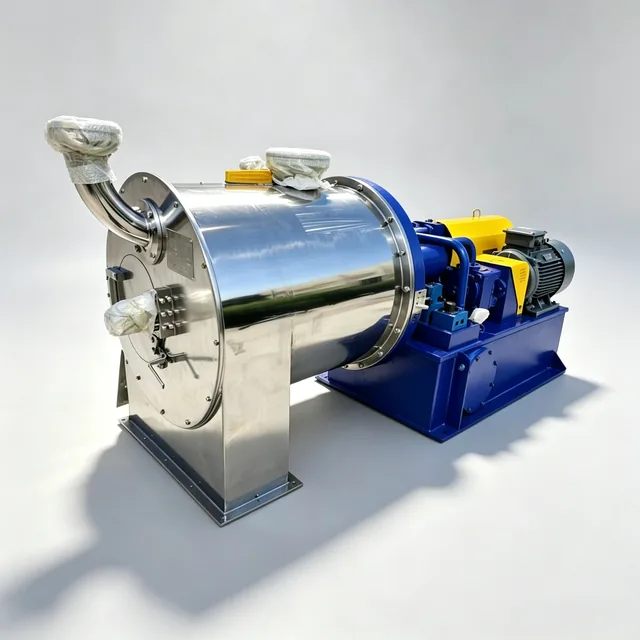
After further washing in an agitation tank, the slurry is transferred to a thickener and then to a centrifuge for dewatering.
After centrifugation, the moisture content is approximately 2%–4%.
03Dewatering & Drying
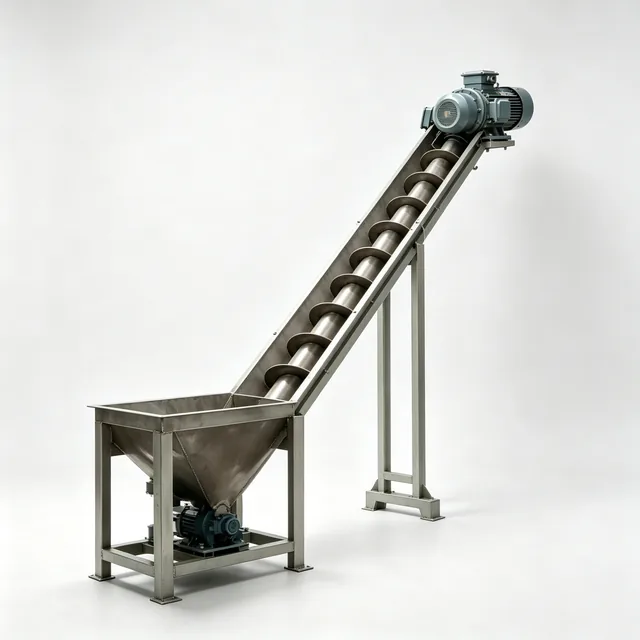
The dewatered salt is conveyed by a screw conveyor. Iodine and/or anti-caking agents may be added during transportation according to production requirements.
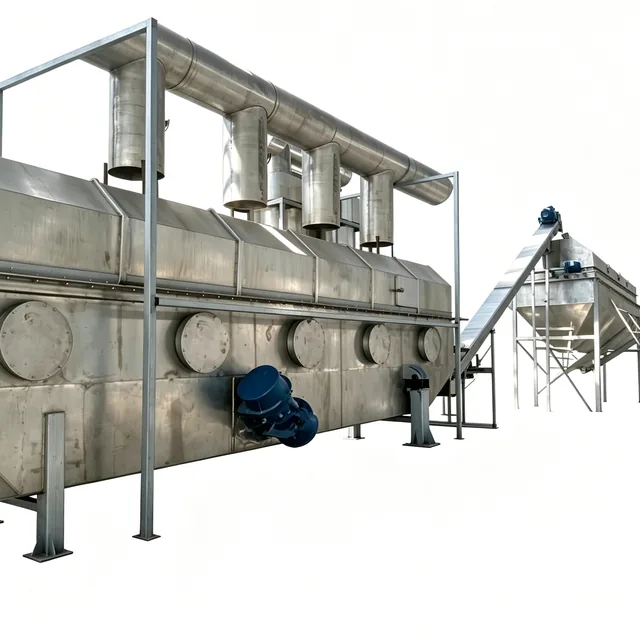
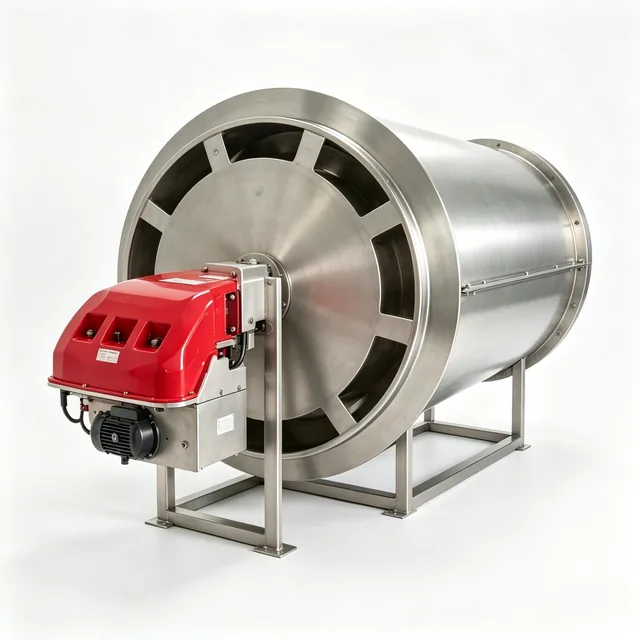
The salt then enters a fluidized bed dryer, which uses heated airflow for efficient drying.
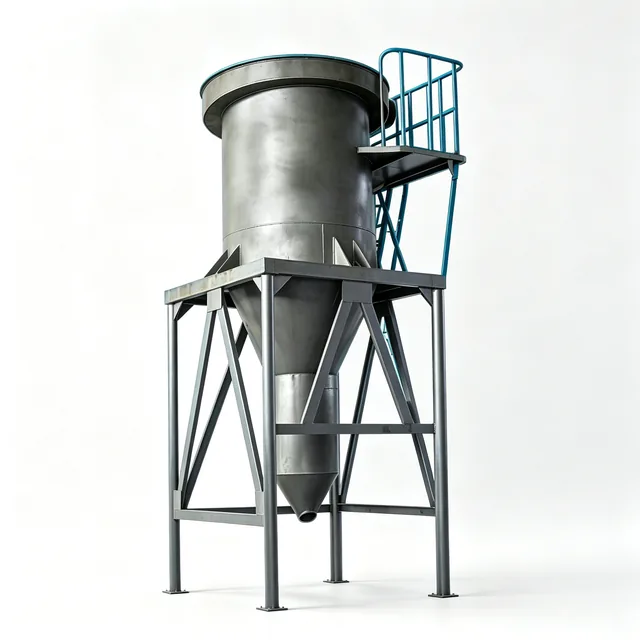
The drying system is equipped with cyclone and wet dust collection equipment to reduce dust emissions and recover fine salt particles.
After drying, the finished salt moisture content can be reduced to below 0.3%.
04Screening, Storage & Packaging
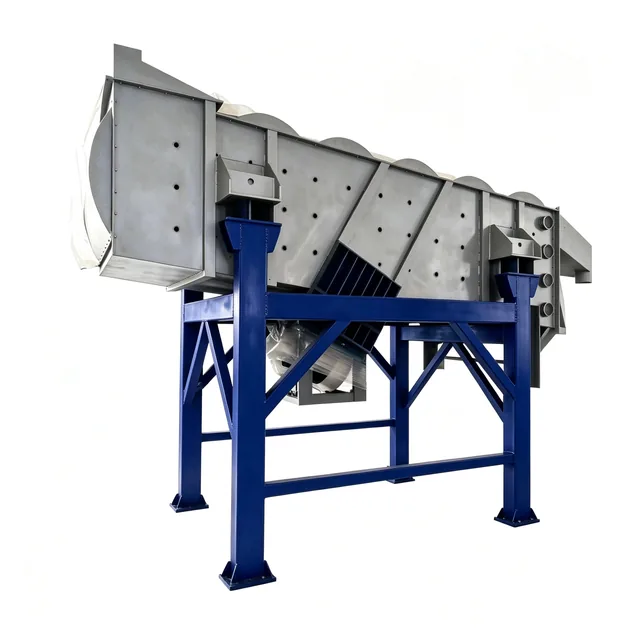
The dried salt is conveyed to a vibrating screen for particle size classification.
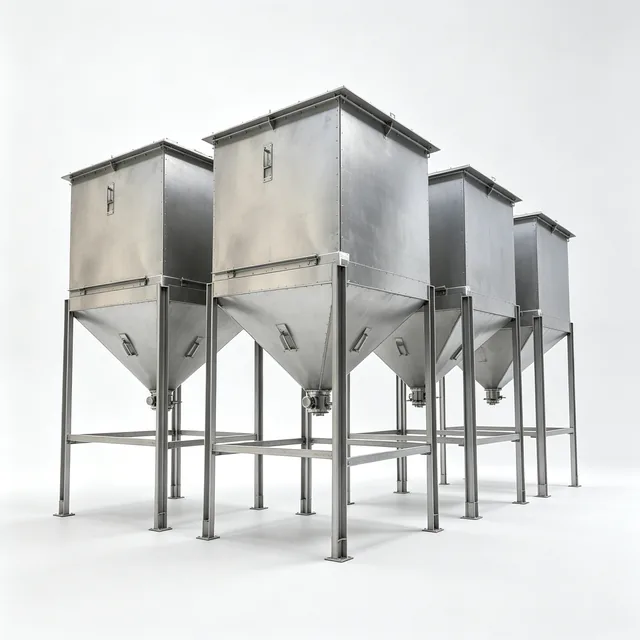
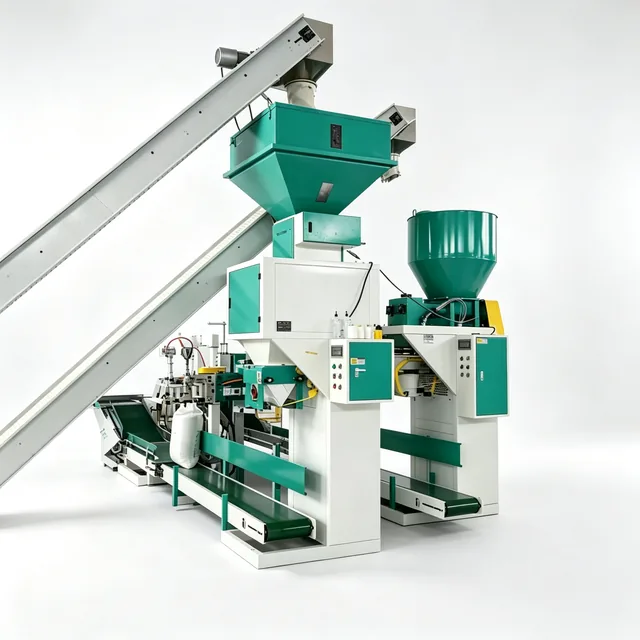
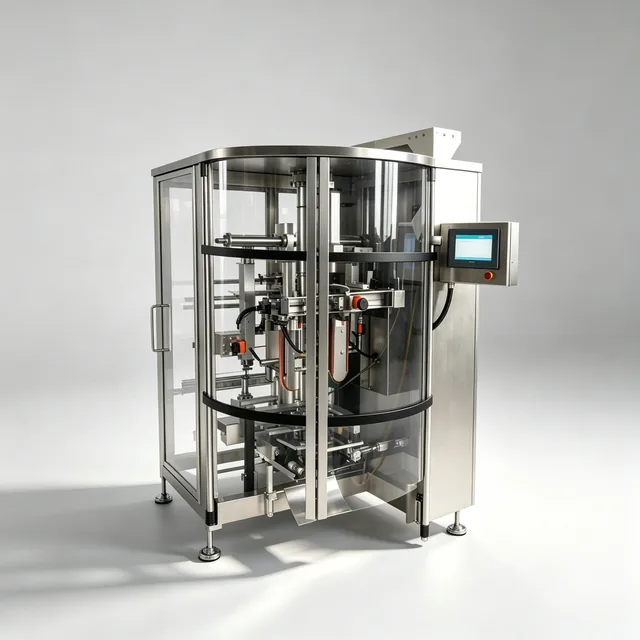
Qualified salt is transferred to finished-product storage silos and then to bulk or small-pack packaging machines.
Oversized particles are returned to a crusher for reprocessing and screened again.
With suitable adjustments, the production line can also be used for industrial salt, livestock salt and feed salt.